
About

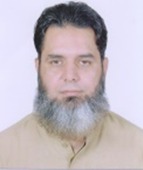
Chairman, Pakistan Poultry Association

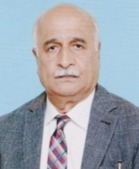
Mr. Abdul Basit

I have been associated with and involved in the Poultry Industry of Pakistan for many years. When I look back at the evolutionary process of commercial poultry farming in our country, I am reminded of several individuals. Though they were all a diverse set of people, farmers, entrepreneurs, scientists, nutritionists, and technologists, they were all men of understanding and vision.

They realized that affordable high-protein food was a primary need. They foresaw at a very early stage that urbanization, industrialization, and a very rapidly multiplying population, will combine to progressively shrink agricultural areas which in turn will severely tax food resources. They clearly understood that they had a major dilemma on their hands, which if not resolved, will quickly put high-protein food beyond the reach of the common man. Thanks to their collective wisdom, these dedicated people set their goals and embarked upon their mission way back in the early 60s. Many will remember the commencement of commercial poultry farming in Pakistan with the introduction of the “PIA- Shaver”. With the creation of the Pakistan Poultry Association, a much-needed centralized National platform became available to Pakistan’s poultry sector and the traditional backyard poultry-rearing culture quickly transformed itself into a vibrant industry in our country. It is no small feat that poultry today has established itself as a major high-protein food resource for our population of 200 million people at generally affordable prices. It is truly creditable that commercial poultry farming has stemmed the onslaught of the rapidly depleting mutton and beef resources. The poultry sector generates employment and income for about 1.5 million people directly and indirectly. Pakistan Poultry Association is providing affordable protein at less cost than vegetables even. We must encourage our people to take more chicken and eggs to fulfill the requirement of a healthy body. An indigenous supply chain from parent stock to farms, produce at retail outlets in each and every corner of the country, matches international aspirations.


Aims and Objectives

Promoting, protecting, and advancing Poultry Farming and allied trade in Pakistan while safeguarding the collective interests of its members.

The Association is formed to foster unity, encourage collaboration, and address the challenges faced by the poultry industry. It works closely with members, government bodies, and trade organizations to ensure sustainable growth, ethical practices, and policy support for the sector.

Total Users

5378

Gaming post

2130

Total Likes

3129

Share Post

1228
HISTORICAL FOCUS

Evolution and Growth of the Poultry Industry in Pakistan

From Backyard Farming to the Second Largest Industry: Pakistan’s Poultry Journey

The poultry industry has very strong roots in Pakistan as we just can’t see our dinner or lunch without chicken. That’s the main reason that the poultry industry flourished in the last few decades and today enjoys the status of the second largest industry in Pakistan after textiles. Now, the point is that what could be the reasons for one industry to develop at such a faster pace in a region? So, answering the question requires us to look into the background of poultry in Pakistan.

In Pakistan, the concept of commercial poultry rearing, hatching, and feed milling was not known until a few decades ago. The backyard poultry was the only source of enriched animal protein. In backyard rearing, we didn’t have real growing or laying birds. In fact, the birds were not kept for any kind of financial gain, rather rear poultry was like rearing kids. I mean they were only reared and cared whether they are profitable or not.

It was the start of the 6th decade of the 20th century when the Government of Pakistan felt the need for an intensive Poultry rearing program by keeping in view the increased demand for white meat due to heavy growth in our population. So, it was in 1962 when Commercial Poultry was initially introduced in Pakistan by M/S Shaver’s of Canada with the help of PIA, and that led to the formation of the PIA Shaver with the poultry sector. In its embryonic stages became a blue-eyed to government officials and the rearing or any kind of business relating to poultry was announced to be Tax exempted. The first hatchery was then established in Karachi. Our government supported the poultry industry in all aspects that helped the industry to develop rapidly.

As Poultry was new in the region, disease problems were obviously expected also, therefore in the early ’90s Gumboro hits Broiler & Layer flocks and parent stock suffered heavy mortality resulting in great economical losses. After that incident efforts were made to get things on track by addressing Vaccination and Bio-Security issues very religiously. The shock was yet fresh in the mind of the farmers and Poultry entrepreneurs when in mid 90’s the new disease caught the Parent Flocks in the Northern Areas (Abbottabad and Mansera), where the mortality rate went up to 80% and the industry again suffered grave losses. Again in the very next year in 1996 due to the increased number of parent stock, the prices of chicken products fell down even below the cost of its production and the farmers again suffered heavy losses. This downfall misery continued till 1997 when a ban on marriage food was imposed which reduced the consumption of poultry products by 40%.

The late 90s led to a phase of stability in the poultry industry and farmers got good profit margins. New investors rushed into poultry farming by adopting the new techniques of environment control houses and the industry shifted from traditional conventional open houses to Semi and completely closed automated houses where the intensive rearing is done under one roof. In this transformation, the industry shared huge investments from multinationals, and poultry overall flourished till 2004. In 2004 Avian Influenza hit South East Asia and Pakistan’s Poultry Industry suffered heavily due to its rumours. The imposition of a ban on imports of poultry products by Middle East countries made things more miserable. This scary condition of the industry is yet to prevail. We experienced a hike in the poultry market for a few months and then a long phase of depression due to selling our products below the cost of production.

The ups and downs are with every industry but the poultry industry of Pakistan witnesses that quite too often. That’s why the industry is so very unpredictable but due to high profits and early returns, it is still enjoying its place as the 2nd Largest Industry in Pakistan.

WORKING PEOPLE

Executive Committee (2024- 2026)